
Concert sponsorship checklist: seven signals that make a tour easier to sell
A practical Cultiq checklist for promoters evaluating artist, audience, market, momentum, and activation signals before a sponsorship conversation.
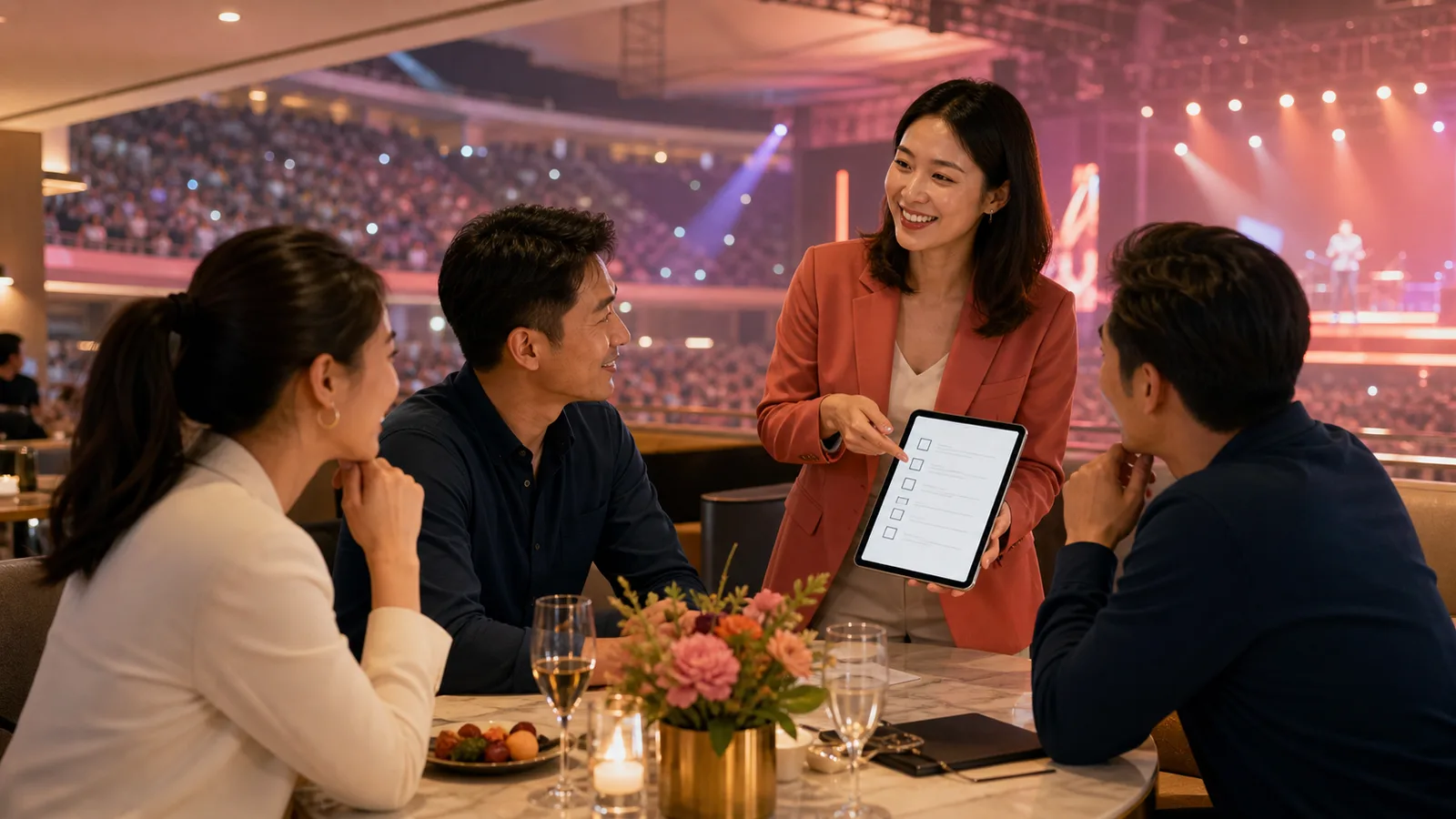
- Every strong signal should answer a sponsor question. Every weak signal should become a validation task.
Before approaching a sponsor, a promoter needs more than an artist name and an inventory list. Use these seven signals to build a concert story that is specific, commercially useful, and ready for validation.
A sponsor needs a complete event story
The best sponsorship conversations are easy to follow. The promoter can explain who the event is for, why the artist matters now, why the market is right, and what the brand can do for fans.
Use this checklist while reviewing candidates in Cultiq. It is not a promise of a signed deal. It is a way to move from an interesting name to a commercially coherent opportunity.
TakeawayEvery strong signal should answer a sponsor question. Every weak signal should become a validation task.
1. A defined audience
Open the artist’s Audience view. Can you describe the people a sponsor could reach by market, composition, and relevant interest? “Large fanbase” is not an audience strategy.
2. A useful market
Review top markets and the proposed concert route. The strongest city is not always the largest one; it is the one where artist relevance, operational possibility, and sponsor priority overlap.
3. A timely cultural moment
Use Intelligence and Live Signals to examine current activity in context. Look for sustained movement, relevant releases, local attention, or a reason fans would gather now. Avoid mistaking a single spike for a durable trend.
4. A natural sponsor category
Ask whether the category fits the artist and fan experience. A partner should feel useful, exciting, or meaningfully connected—not interchangeable with any other logo.
5. An activation fans will notice
Define the brand role in one line: a better ticketing experience, a fan reward, a useful on-site service, hospitality, exclusive content, or another clear contribution. If the activation can be removed without changing the event, it may not be strong enough.
6. A feasible commercial shape
Use Cultiq tier and fit context as planning inputs. They can help frame scale and comparison, but they do not confirm artist fees, rights, availability, or sponsor budgets. Keep these items in the validation column.
7. A clear next action
Save the best options to My Matches. For each candidate, capture why it fits, the biggest risk, and the next person or question needed to advance it.
Put the checklist into a 20-minute workflow
- Define the sponsor objective and target market.
- Build a five-artist list in Artist Discovery.
- Review Audience, Intelligence, and Live Signals for each candidate.
- Compare the strongest options in FitMatrix.
- Save no more than three candidates with a clear sponsor role.
Common mistakes
- Treating a popularity metric as a sponsorship case.
- Forgetting to name the audience.
- Adding activation after the artist is selected.
- Confusing planning context with confirmed commercial terms.
- Giving a sponsor too many options and no recommendation.
Ready to build a cleaner concert shortlist? Open Artist Discovery or create a free Cultiq account.
For broader partnership strategy and deal support, visit WENOTIFT.
Frequently asked questions
No. The checklist is a way to identify strengths, trade-offs, and questions to validate. A strong proposal is clear about all three.
No. It helps structure sponsorship research. Ticketing, availability, pricing, and production feasibility require separate validation.
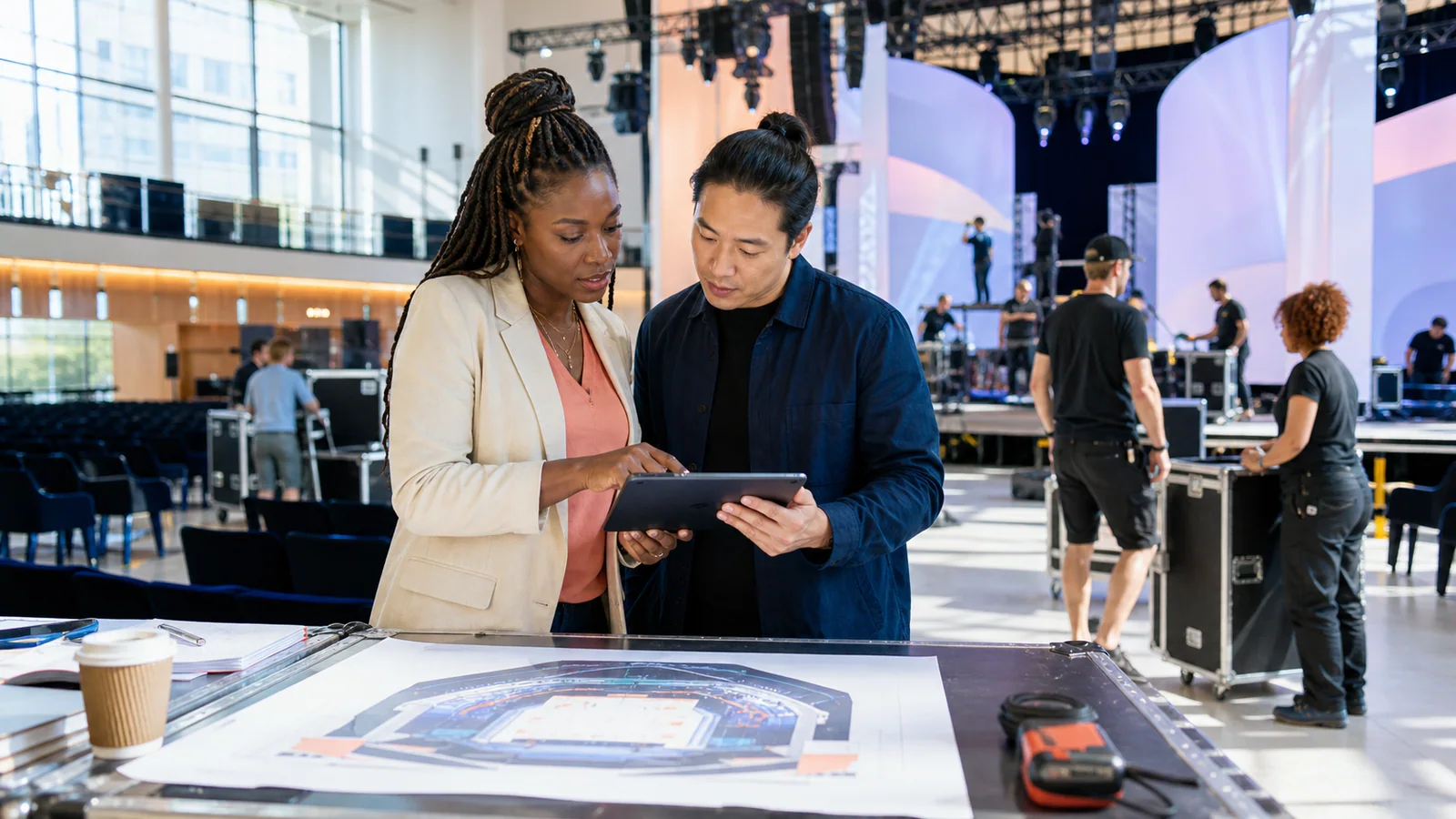
Build a sponsor-ready live-event prospectus
Build a practical live-event sponsorship prospectus with Cultiq: define the opportunity, audience context, assets, constraints, and questions to confirm.
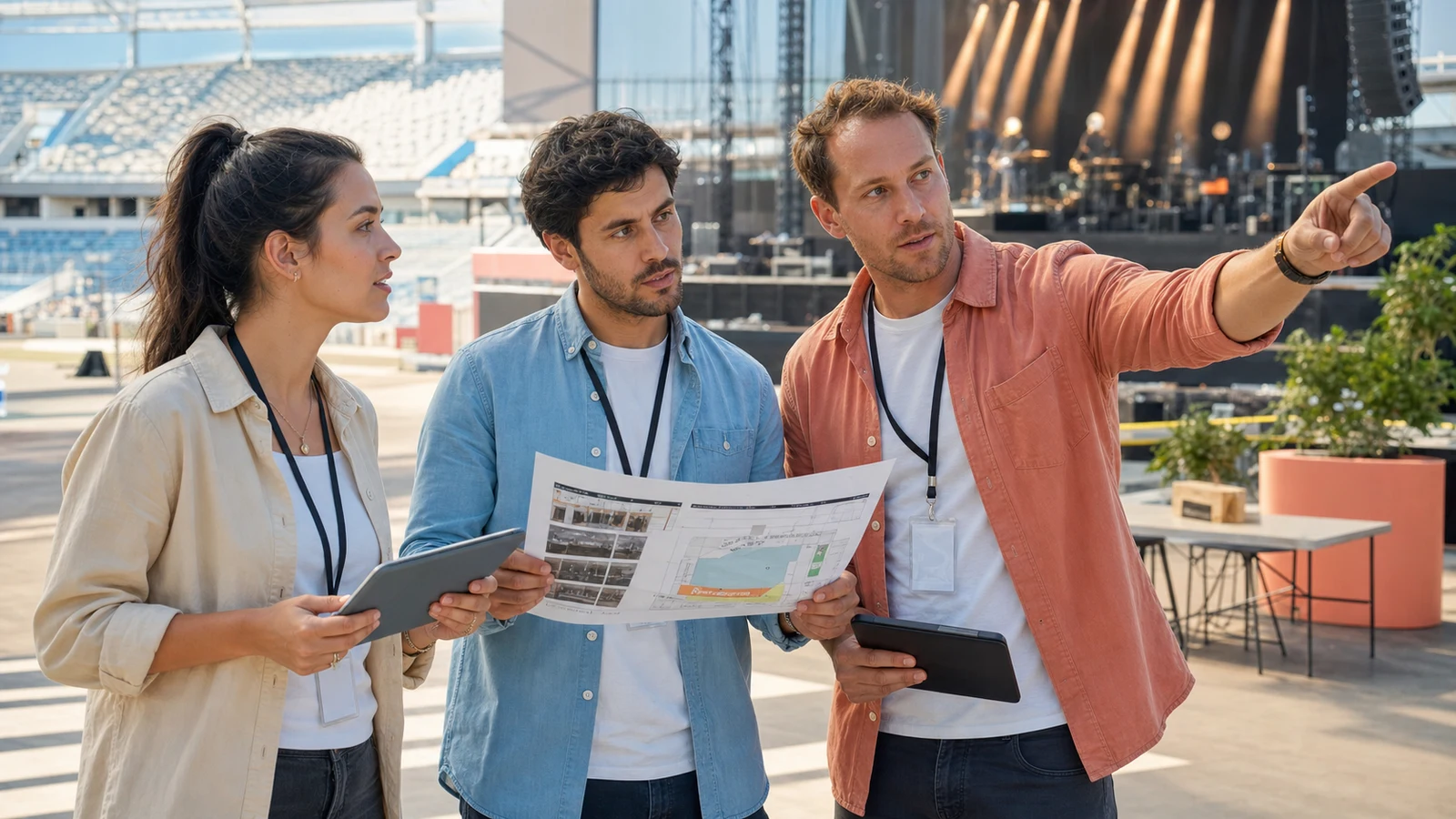
Plan concert sponsor evidence before show day
A promoter workflow for defining sponsor proof, collection owners, consent, and delivery before doors open.
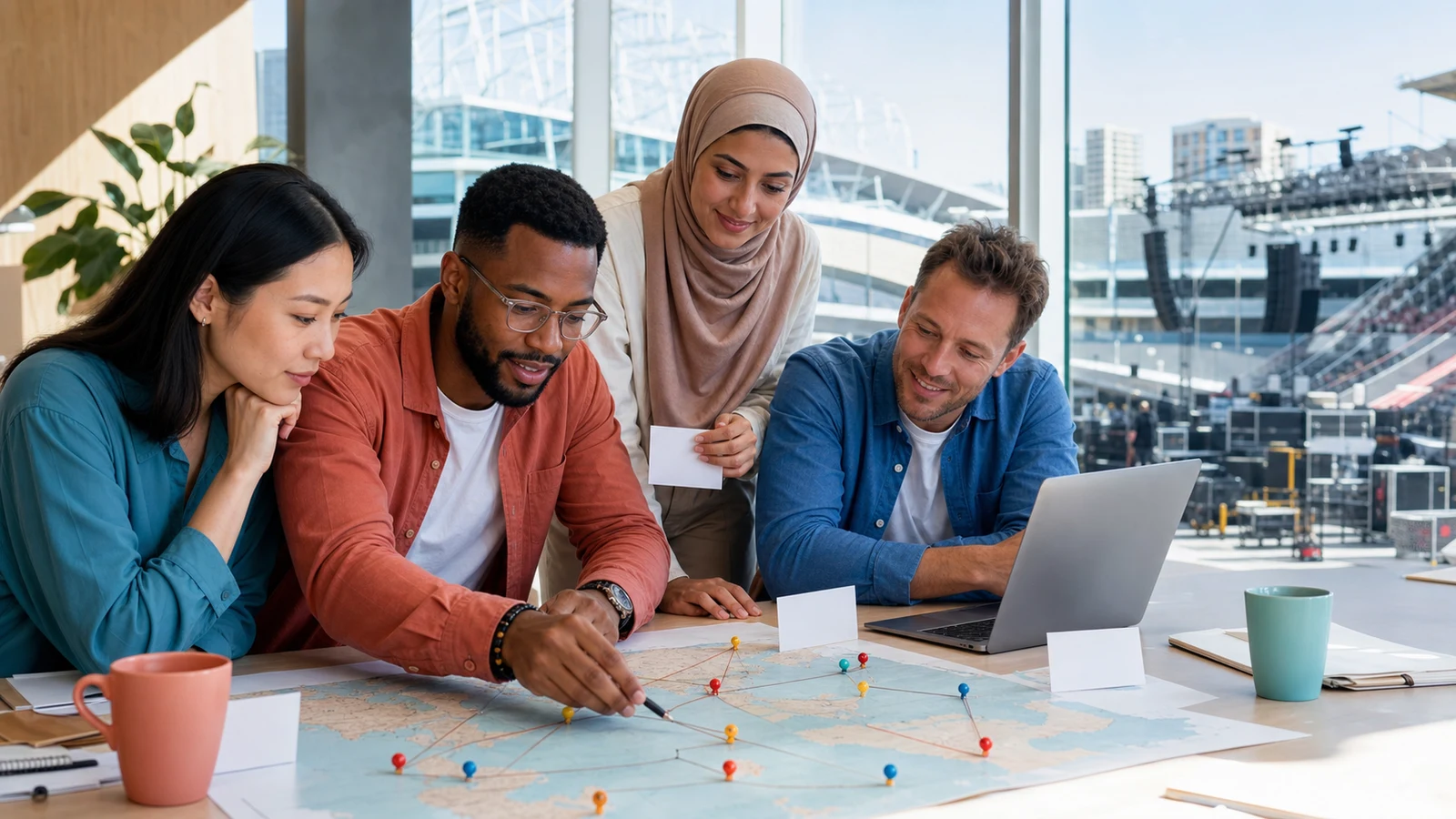
Coordinate multi-market tour sponsorship approvals without losing momentum
A promoter workflow for coordinating local inventory, artist rights, and brand approvals across a multi-market concert tour.