
How to get sponsorship for a music tour: build a sponsor-ready shortlist
A practical Cultiq workflow for concert promoters: turn a tour concept into a sponsor-ready artist shortlist using audience fit, market demand, cultural relevance, and clear commercial context.

- A sponsorship proposal gets stronger when the artist choice and the sponsor role are built from the same brief.
A sponsor does not fund a tour simply because an artist is popular. They need a clear reason their audience, market, and brand role belong in the live moment. This workflow helps promoters turn an early tour concept into a focused, evidence-backed artist shortlist and a stronger starting point for sponsorship conversations.
Start with a tour brief, not a sponsor logo
The question behind concert sponsorship is usually framed too late: “Which brands could support this tour?” A more useful starting point is: “What audience, market, and live experience are we building—and which brands have a credible role within it?”
That distinction changes the work. A sponsor is not only buying visibility. They are considering whether the artist, the fan community, the cities, and the activation format can create a commercial story their team can defend.
Before researching artists or sponsors, define five parts of the brief:
- The tour format: one concert, a multi-city run, a fan event, or a festival appearance.
- Priority cities and markets.
- The audience you expect to attract.
- The role sponsorship needs to play: funding, reach, customer acquisition, on-site experience, or content.
- The categories that could belong naturally in the experience.
Add the relevant market, objective, deal type, and budget context to your Cultiq brand profile when you are evaluating a sponsor-side brief. That gives FitMatrix enough context to compare artists against the actual commercial objective rather than treating fame as the answer.
TakeawayA sponsorship proposal gets stronger when the artist choice and the sponsor role are built from the same brief.
Step 1: define the sponsor value before selecting the artist
Open with the value a sponsor could receive, not a list of inventory slots. Inventory matters—stage mentions, ticketing access, hospitality, sampling, content, and social amplification—but it is easier to sell when it supports a clear purpose.
For example, a payment brand may want a frictionless ticketing or on-site benefit. A beauty brand may need a fan-led content moment. A telecom brand may care about connectivity, community, and digital participation. These are different jobs, so they should not begin with the same artist list.
Write one sentence that connects the tour to a potential sponsor outcome:
“This tour gives [brand category] a credible way to reach [audience] in [market] through [live experience or activation].”
If that sentence remains vague, the artist shortlist will be vague too. Use it as a filter for every candidate that follows.
Step 2: build a realistic artist longlist in Artist Discovery
Open Artist Discovery and start with the market and talent category that fit the tour. Cultiq covers Korean, Chinese, Japanese, and Thai entertainment markets, so begin with the geography you can actually produce and sell—not the most famous name you can find.
Build a longlist of roughly eight to twelve plausible candidates. At this stage, you are looking for commercial relevance, not making a booking decision.
For each artist, note:
- Current tier and market position.
- Relevant markets and audience concentration.
- The artist’s cultural positioning and category affinity.
- Recent momentum or activity that could improve the timing of the tour.
- Whether the scale fits the venue, city plan, and available budget.
Use tiers as planning context, not as a rate card or a guarantee. A higher-tier artist may create stronger headline visibility, but also demands a larger commercial plan. An A- or B-tier artist may be a sharper sponsorship proposition if their audience is concentrated in the right market and a sponsor can play a meaningful role in a growth moment.
Step 3: test the audience and market story
Open each promising artist profile and review the Overview, Audience, and Intelligence information. The goal is to turn “this artist has fans” into a useful sponsor narrative.
Start with audience composition and top markets. A sponsor needs to know who will be in the room, where they are coming from, and whether those fans resemble the people the brand is trying to reach. Large reach without geographic or category relevance is not a strong sponsorship case.
Then inspect the artist’s momentum and recent live signals. You are looking for evidence that the tour arrives at a useful moment: expanding attention in a priority city, a release cycle, rising cultural conversation, or a fan community with an active reason to gather now.
Record these three notes for every candidate:
- Audience case: Why this fandom matters to a sponsor.
- Market case: Why this city or tour route makes sense now.
- Activation case: What a brand could do that feels useful to fans, not bolted on.
Do not mistake a temporary spike for durable demand. One viral clip, a controversy, or attention in the wrong market can inflate the story without improving the tour’s commercial case. Look for several signals that agree with each other.
Step 4: compare artist fit against the sponsorship brief
Once the longlist is credible, compare the strongest candidates in FitMatrix. When the brand profile is complete, the matrix helps organize candidates around the commercial context rather than a single popularity metric.
Review the overall order, then focus on the reasons underneath it:
The best candidate is not always the one with the highest score. A national consumer brand may need broad market coverage. A local launch sponsor may value a concentrated audience and a more ownable activation. The dimension breakdown makes that trade-off visible.
Step 5: turn the shortlist into a sponsor conversation
Reduce the list to three to five candidates and write a concise case for each. Keep it commercial and honest:
- Why this artist: audience, cultural relevance, and current momentum.
- Why this tour: market, venue or route logic, and the fan occasion.
- Why this sponsor: a specific role the brand can own.
- What to validate: availability, terms, rights, exclusivity, and final production feasibility.
Save the candidates to My Matches so the research, rationale, and request workflow stay in one place. When the opportunity is ready for formal review, submit the appropriate request with the artist, market, deal type, budget context, and activation concept.
This creates a cleaner handoff than a deck full of disconnected screenshots. It also keeps the team clear about what is evidence, what is an assumption, and what still needs a commercial answer.
Common concert sponsorship mistakes
Leading with inventory. A list of logo placements does not explain why a brand belongs in the experience. Establish audience and activation value first.
Using follower count as the whole case. Followers can indicate scale, but they do not prove audience fit, city-level relevance, or sponsor value.
Choosing an artist before defining the sponsor job. This often produces a proposal where the brand role is added after the fact.
Overstating certainty. Cultiq can help you assess fit and structure the rationale; it cannot confirm artist availability, ticket sales, pricing, or sponsorship approval.
Offering an activation fans will ignore. The strongest sponsor roles make the concert easier, more memorable, or more rewarding for the audience.
Your next step
Set aside 30 minutes to define the tour brief, build an eight-name longlist, and inspect the top three profiles. Then compare those candidates in FitMatrix and save only the options you can explain in one clear sponsor sentence.
Ready to start? Explore Concert Discovery, open Artist Discovery, or create a free Cultiq account.
For broader entertainment-partnership strategy and deal support, visit WENOTIFT.
Frequently asked questions
No. Cultiq helps structure the research and partnership rationale. Sponsor appetite, artist availability, commercial terms, and final approvals still require direct discussion and due diligence.
Not automatically. The strongest sponsorship opportunity is the artist and event concept that create a credible match with the sponsor’s audience, market, and activation goal.
Begin while the tour format, priority cities, audience, and artist criteria are still flexible. Early research gives you more room to shape a sponsor role that feels integral rather than added at the end.
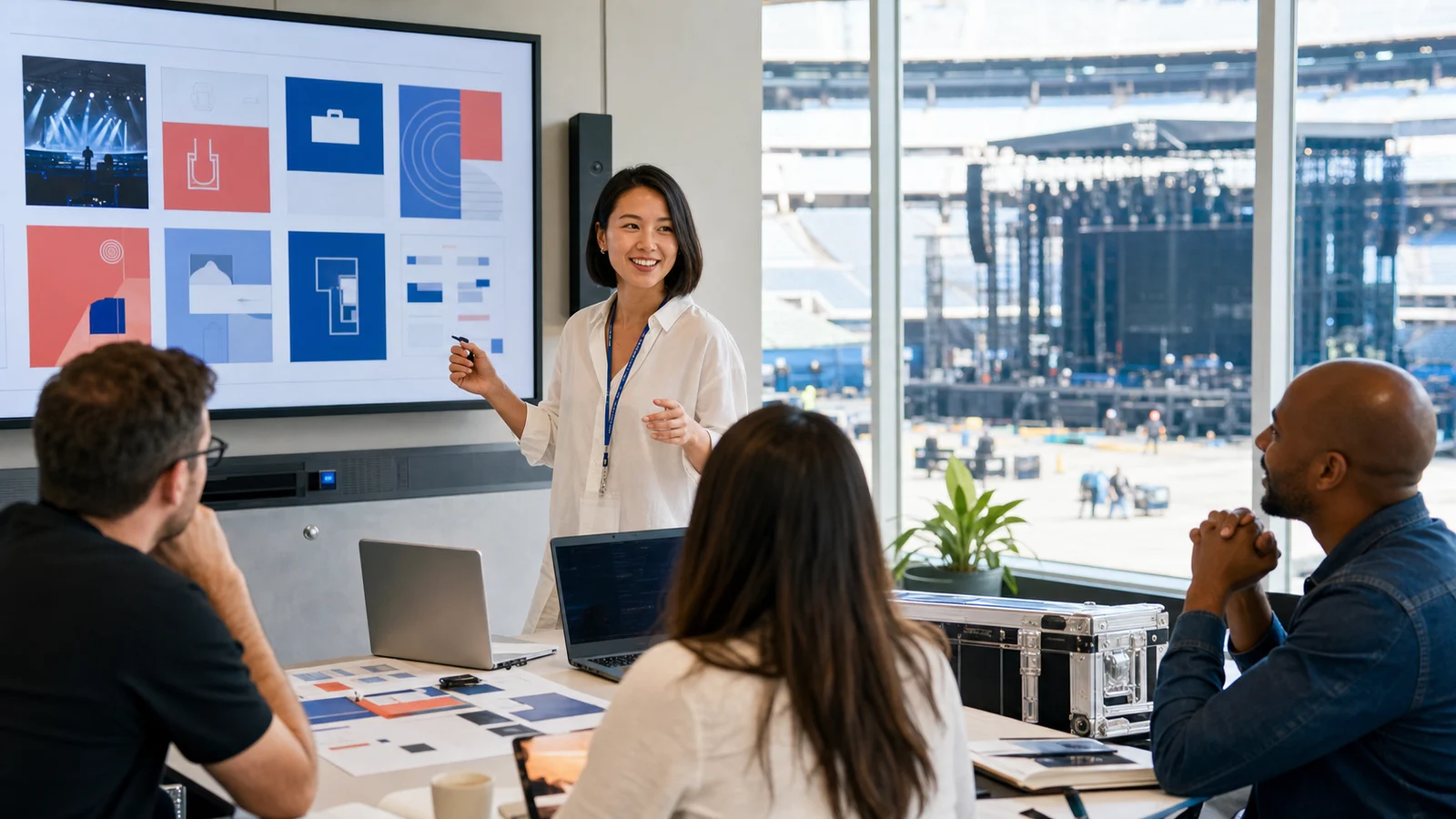
Map concert sponsorship rights and assets before outreach
A Cultiq workflow for inventorying what a live sponsorship actually contains — naming, on-site, content, and IP rights — before anyone prices or pitches it.

Venue capacity is not demand: right-size a concert with Cultiq
A promoter framework for comparing artist, city, venue, timing, and Event Heat evidence before choosing a show scale or approaching sponsors.
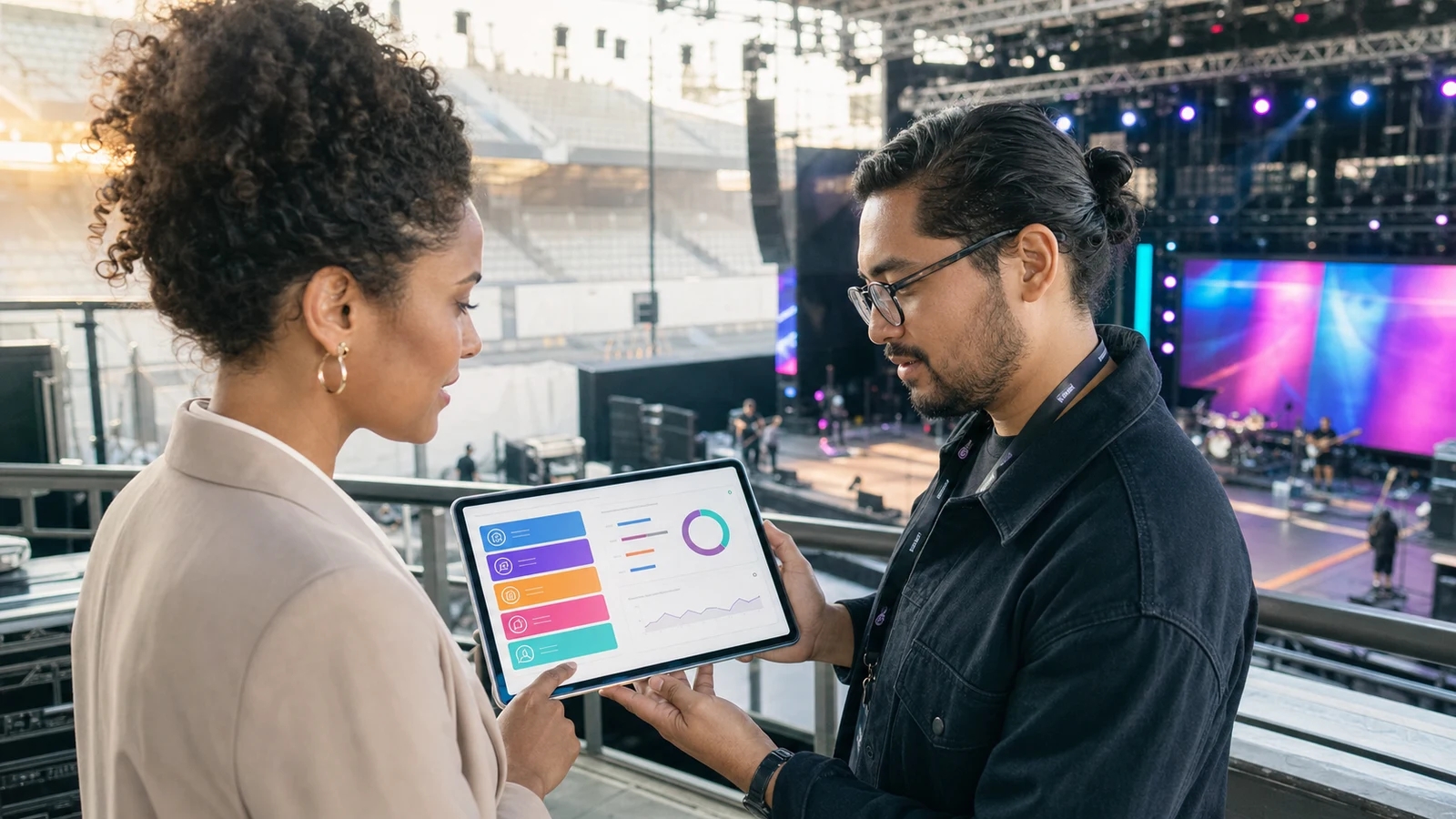
Rank sponsor categories with audience-based fit in Cultiq
A promoter workflow for turning artist audience signals into sponsor-category priorities without inventing brand demand, budgets, or revenue.