
Promoter Command: from demand signal to sponsor pipeline
Use Cultiq's Promoter Command workspace to evaluate artist demand, shape show economics, package sponsorship, and manage the path from offer to on-sale.
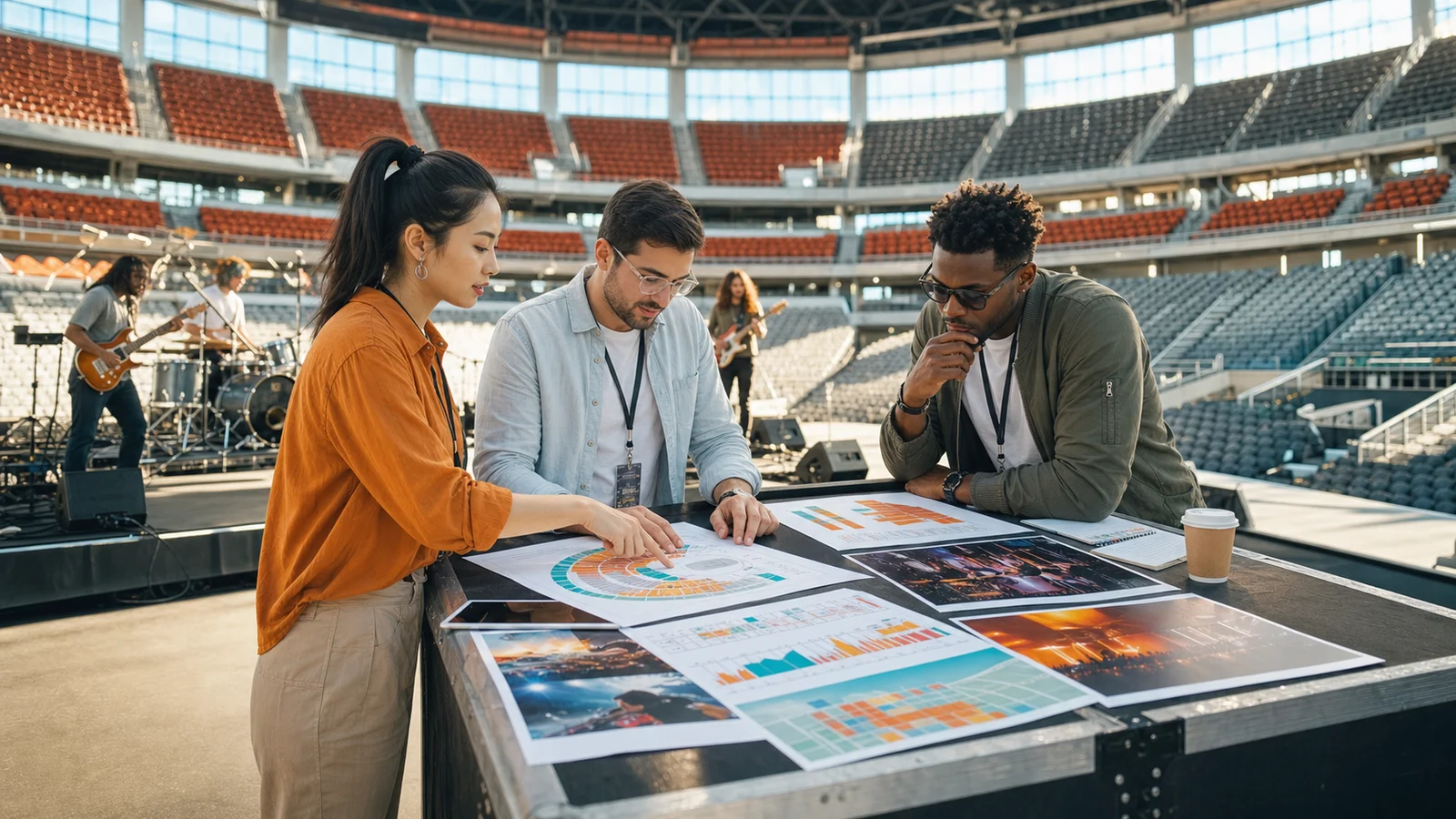

- Demand evidence can support a show hypothesis. It cannot remove the commercial risk created by venue, date, ticket price, marketing, competition, and execution.
Promoter Command organizes the questions that must be answered before and after a show commitment: where demand exists, what the guarantee can support, how sponsorship fits, and which signals need monitoring once tickets go live.
A show decision is a chain, not a single forecast
A promoter does not only ask whether an artist is popular. The decision combines city-level demand, venue scale, date competition, ticket strategy, guarantee exposure, sponsorship, production, and on-sale behavior.
Promoter Command separates those jobs into specialist agents and operating pipelines. Use it to make assumptions visible before the offer, then keep monitoring the variables that can change after commitment.
TakeawayDemand evidence can support a show hypothesis. It cannot remove the commercial risk created by venue, date, ticket price, marketing, competition, and execution.
Start with Demand Forecaster
Define the proposed artist, city, venue scale, date window, ticket-price assumptions, and audience before interpreting demand. A global follower total is not a city forecast.
Review the available fandom, market, engagement, momentum, and comparable context. Ask:
- Is the demand evidence local enough for the decision?
- Does the proposed venue match the confidence level?
- Are there adjacent cities or smaller formats worth comparing?
- Which assumptions still depend on ticketing or historical sales data?
- What would make the recommendation change?
Use the output to create scenarios—proceed, resize, reroute, retime, or pause—not a binary promise that the show will sell.
Check the market and competing-show context
AI Market Analyst helps place the show inside a real calendar and territory. Review competing events, artist activity, cultural timing, release context, holidays, and other factors relevant to the market.
Separate a timely observation from a prediction. A viral track or fast-rising topic can justify new research, including in the US, UK, Europe, GCC, or another tracked market. It does not prove durable ticket demand on its own.
Record the market thesis in one sentence: “This artist may work in this city during this window because…” Then list the evidence and the gaps separately.
Frame the guarantee and show economics
Use Deal & Fee Advisor to organize the guarantee discussion around venue, market, routing, production, rights, deal structure, and artist tier. Any benchmark or scenario remains planning context until authorized representation supplies a current offer.
Build at least three cases:
- Conservative attendance and sponsor assumptions.
- Base case using the team's documented inputs.
- Upside case with the conditions required to achieve it.
Do not hide promoter costs outside the model. Production, venue, taxes, travel, marketing, ticketing, insurance, hospitality, and contingency can matter as much as the artist guarantee.
Package the sponsorship role
Sponsorship Hub connects the show audience and format to brand categories and package logic. Start with the sponsor's job: awareness, sampling, hospitality, commerce, content, community, or another objective.
Build the package from real inventory:
- Naming or presenting rights where available.
- On-site activation and audience experience.
- Content and social deliverables.
- Hospitality or ticket allocation.
- Media, screen, and venue visibility.
- Data or commerce elements where permitted.
Avoid inserting named brands without evidence of interest. A category-fit hypothesis is useful; a fabricated sponsor match is not.
Move the show through Show Pipeline
Use Show Pipeline to track the opportunity from initial evaluation through offer, confirmation, production, on-sale, and completion. Keep the next milestone, owner, dependencies, and commercial unknowns visible.
Show HQ brings together sales, sponsorship, and profit-and-loss context for the active show. Sponsor Pipeline keeps prospecting and negotiation separate from confirmed sponsor revenue. That distinction protects the forecast from optimistic assumptions.
Monitor the on-sale, not just the announcement
Once tickets launch, On-Sale Monitor should turn real pace and sell-through into actions. Compare performance against the assumptions used to choose the venue and marketing plan.
Ask whether the issue is awareness, price, inventory mix, city selection, campaign timing, or reporting lag before changing strategy. Early movement can be noisy; document the evidence behind any intervention.
Common mistakes
- Treating followers as ticket demand.
- Using a viral moment as a guaranteed sell-out signal.
- Presenting a fee benchmark as a confirmed guarantee.
- Counting unsigned sponsorship as revenue.
- Ignoring competing shows and date effects.
- Choosing the venue before testing demand scenarios.
- Monitoring totals without comparing them to the original plan.
End with a promoter decision
Promoter Command should produce a clear next step: request an offer, change the city or venue, refine the date, open sponsor outreach, adjust the package, or pause. Keep the evidence and assumptions attached so the team can understand why the decision changes later.
Build a report for partners and investors
Use the Reports workspace to create a consistent handoff for venue partners, internal finance, sponsors, or investors. Include the show hypothesis, demand evidence, scenario assumptions, principal risks, sponsorship status, and the next approval required.
Keep unsigned sponsor value and unconfirmed ticket projections outside confirmed revenue. Label any demand interpretation and note the source date, because market conditions can change. A useful report makes the decision auditable; it does not make an uncertain show look safer by removing the assumptions.
Open Promoter Command to evaluate one show opportunity from demand through sponsorship and on-sale. For wider live-entertainment context beyond the workflow, explore WENOTIFT Insights.
Frequently asked questions
No. It provides directional decision support from available demand evidence. Venue, date, price, marketing, competition, routing, and execution still affect sales.
No. It helps structure audience-category fit and a package. Brand appetite, budget, rights, approvals, and final terms require outreach and negotiation.
No. Fee or guarantee context is not a binding quote. Confirm current terms with authorized representation.
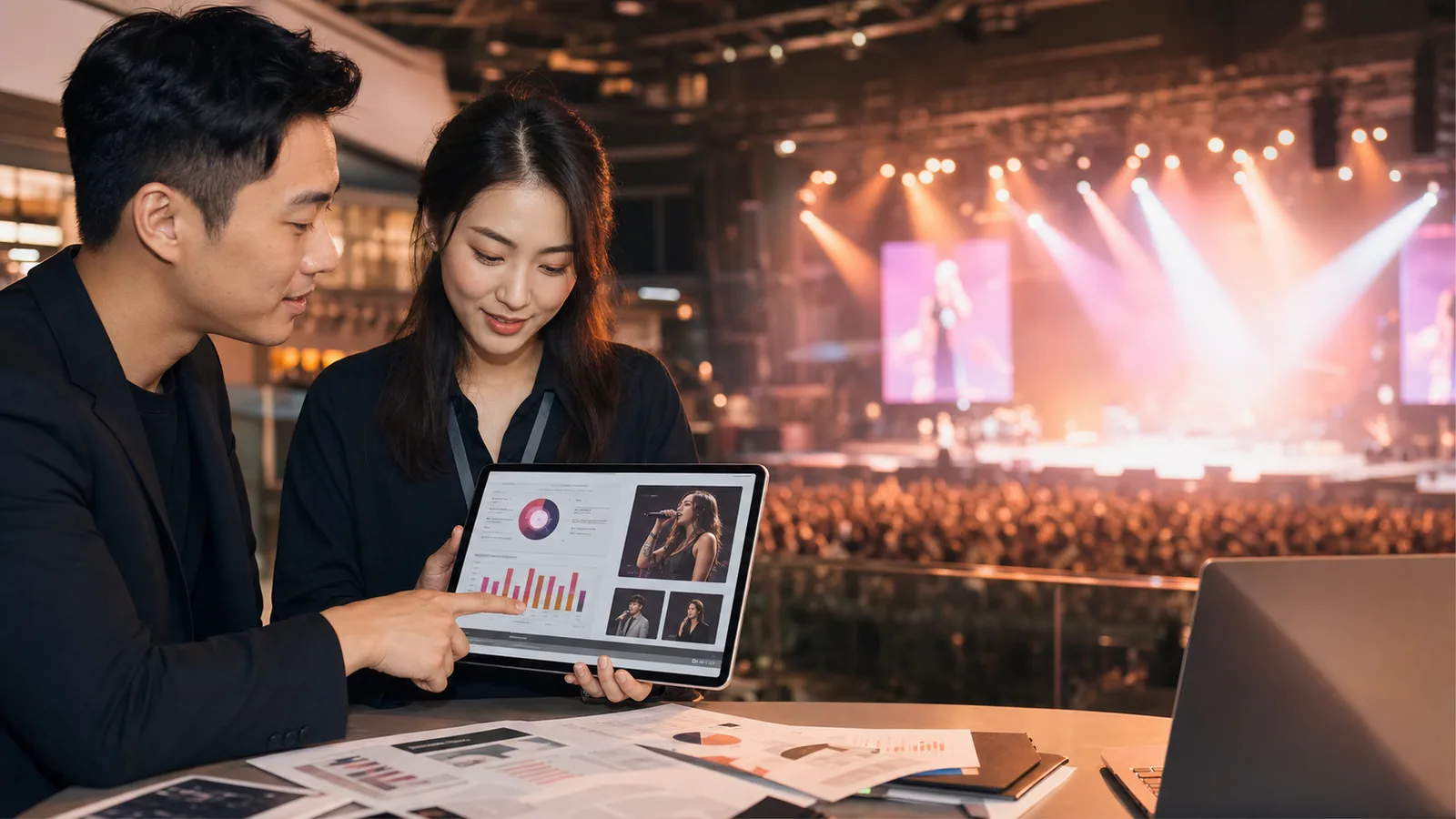
Concert sponsorship: match brands with the right artists and audiences
Use Cultiq to connect an artist, concert audience, and sponsor objective before the proposal becomes a list of logo placements.

How to create a concert sponsorship proposal brands want to review
A practical proposal framework for promoters, using Cultiq evidence to explain the artist, audience, market, and sponsor role.

How to get sponsorship for a music tour: build a sponsor-ready shortlist
A practical Cultiq workflow for concert promoters: turn a tour concept into a sponsor-ready artist shortlist using audience fit, market demand, cultural relevance, and clear commercial context.