
K-pop brand deals in 2026: what actually drives fit
Not every viral artist is a fit. A field guide to the dimensions that separate a headline from a real brand outcome — and how to read them before you spend.


- Follower count is a ceiling on attention, not a measure of fit. Treating it as the headline number is how brands end up paying for reach that converts to nothing.
The most visible number in any K-Pop partnership pitch is also the least predictive: total followers. It is easy to see, easy to put on a slide, and easy to mistake for fit. The deals that actually work in 2026 are the ones where audience, market, and objective line up — not the ones with the biggest count. Here is what separates a headline from a result, and how to read it before the money moves.
The follower-count trap
Reach tells you how many people could see a campaign. It does not tell you whether any of them are the people you are trying to reach, or whether the artist sits anywhere near your category. A globally famous group with a young, fashion-leaning fandom can be exactly wrong for a category their audience does not buy — and a smaller act with a tightly matched audience can outperform them on the outcome that actually matters.
TakeawayFollower count is a ceiling on attention, not a measure of fit. Treating it as the headline number is how brands end up paying for reach that converts to nothing.
The two dimensions that do the work
In Cultiq's scoring, two of the eight FitMatrix dimensions tend to separate a real result from a vanity one. If you only have time to interrogate two things about a K-Pop partner, interrogate these.
When both are strong, a partnership reinforces itself: the audience is the right audience, and the association feels native. When either is weak, no amount of reach fixes it.
The dimensions that decide whether it survives reality
Audience and category get you a candidate worth considering. Four more dimensions decide whether the deal survives contact with reality.
- Market Coverage — where the artist actually has pull. A group enormous in one market may be marginal in the one your campaign runs in.
- Risk Profile — brand-safety considerations surfaced up front, which in K-Pop's fast-moving fandom environment is real downside, not a formality.
- Budget Fit — the realistic cost against what the campaign can carry. The right artist at the wrong price is still the wrong deal.
- Deal Type — ambassadorship, one-off campaign, or licensing: the right partner on the wrong structure underdelivers.
None of these are visible in a follower count. All of them change the answer.
Reading fit before you commit
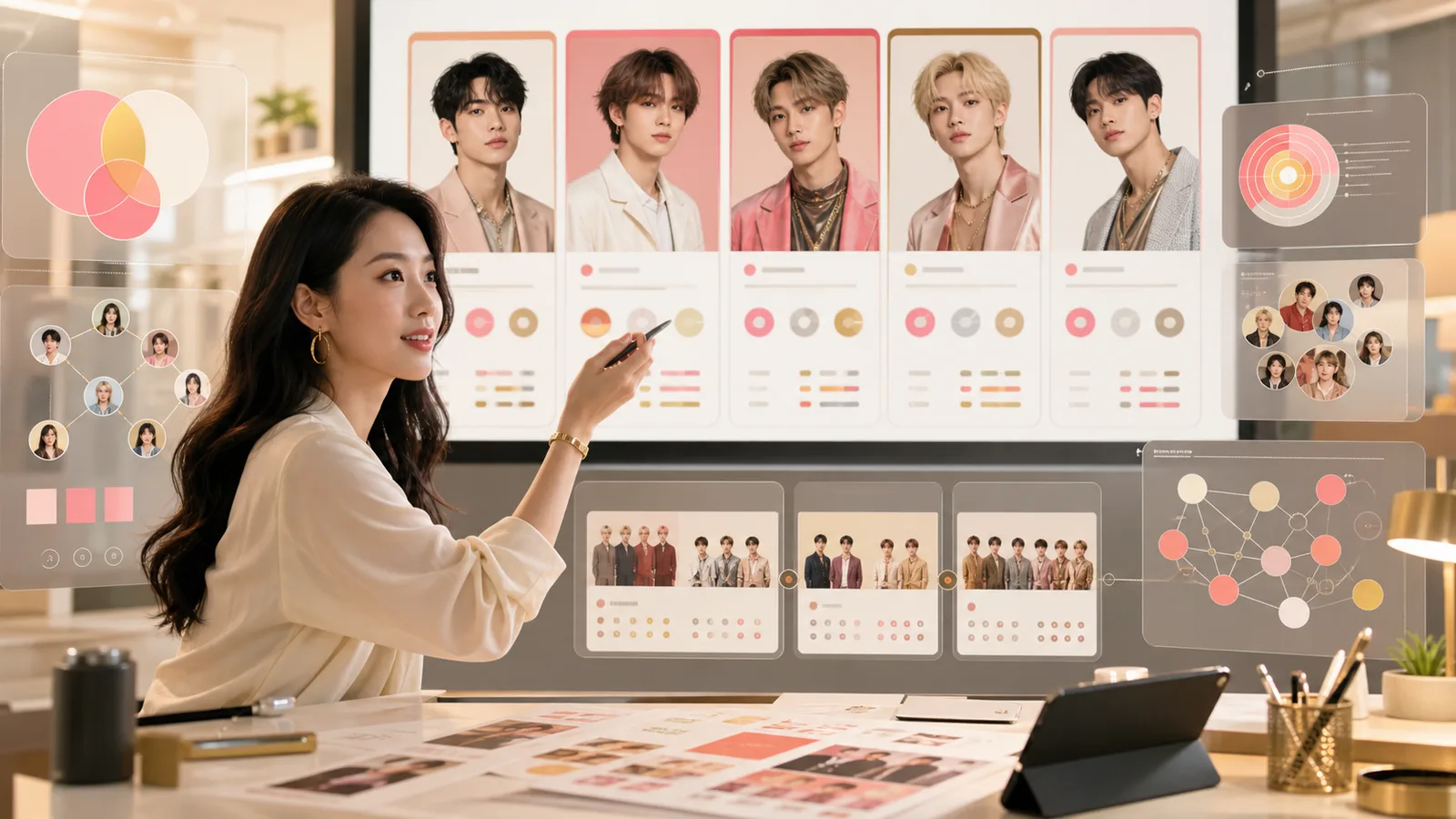
The practical shift is to score the shortlist before the budget moves, not after. On Cultiq, every candidate artist runs through the same eight FitMatrix dimensions against your brand profile, so the shortlist reflects fit rather than fame — and the soft spots are visible before they become an expensive surprise.
That does not make the famous artist a bad choice. It makes "famous" one input among eight, weighted by what actually drives outcomes, so a headline only makes the shortlist when the fit holds up underneath it.
The goal is not to avoid big names. It is to make sure a big name is on the list because it fits — not because it trended.
Frequently asked questions
No. Audience Match — how closely the fandom maps to your buyer — and Category Affinity tend to predict outcomes far better than raw follower count. A smaller, tightly matched audience often outperforms a larger, loosely matched one.
Risk Profile is one of the eight FitMatrix dimensions, surfaced up front in the score rather than discovered after signing. It is a documented input you can weigh against the rest, not a separate manual check.
Yes. Every artist is scored against the same brand profile with the same engine, and each market is scored independently, so cross-market candidates are comparable on one ranked shortlist.

Label Command: turn roster intelligence into commercial opportunity
Use Cultiq's Label Command workspace to position represented artists, identify brand-deal directions, build valuations, plan markets and tours, and protect exclusivity.

Build a backup artist shortlist before your first choice falls through
A practical Cultiq workflow for building credible Plan B and Plan C artist options without lowering the campaign brief or pretending availability is known.
Artist deal or concert sponsorship? Compare partnership types side by side
An ambassadorship, a tour sponsorship, and an IP licence are usually judged in separate spreadsheets with separate logic. Cultiq scores them on one engine so you can rank them on the same shortlist.